
Step into the vibrant world of modern art where creativity knows no bounds and boundaries are meant to be broken. With Characteristics of modern art at the forefront, this paragraph opens a window to an amazing start and intrigue, inviting readers to embark on a storytelling entertaining interactive style filled with unexpected twists and insights.
From bold brushstrokes to unconventional materials, modern art is a playground for innovation and expression. Let’s dive into the essence of what makes modern art truly unique and captivating.
Characteristics of Modern Art
Modern art emerged in the late 19th century and continues to influence the art world today. It is characterized by a departure from traditional artistic styles and techniques, embracing experimentation, abstraction, and a focus on individual expression.
Key Distinguishing Features of Modern Art
- Abstract Forms: Modern art often explores non-representational forms, challenging viewers to interpret and connect with the art on a deeper level.
- Expressionism: Artists express their emotions and perspectives through bold colors, exaggerated shapes, and dynamic compositions.
- Minimalism: Some modern art pieces embrace minimalistic aesthetics, using simple forms, geometric shapes, and neutral colors to convey meaning.
- Mixed Media: Artists combine various materials and techniques to create multi-dimensional artworks that blur the lines between different art forms.
Examples of Famous Modern Art Pieces
- Pablo Picasso’s “Les Demoiselles d’Avignon” (1907) showcases the artist’s revolutionary approach to form and perspective, laying the groundwork for Cubism.
- Jackson Pollock’s “Number 1A, 1948” (1948) exemplifies the Abstract Expressionist movement with its energetic and chaotic drips and splatters of paint.
- Yayoi Kusama’s “Infinity Mirror Rooms” (various installations) immerse viewers in a surreal, infinite space, blurring the boundaries between the self and the surrounding environment.
Art History
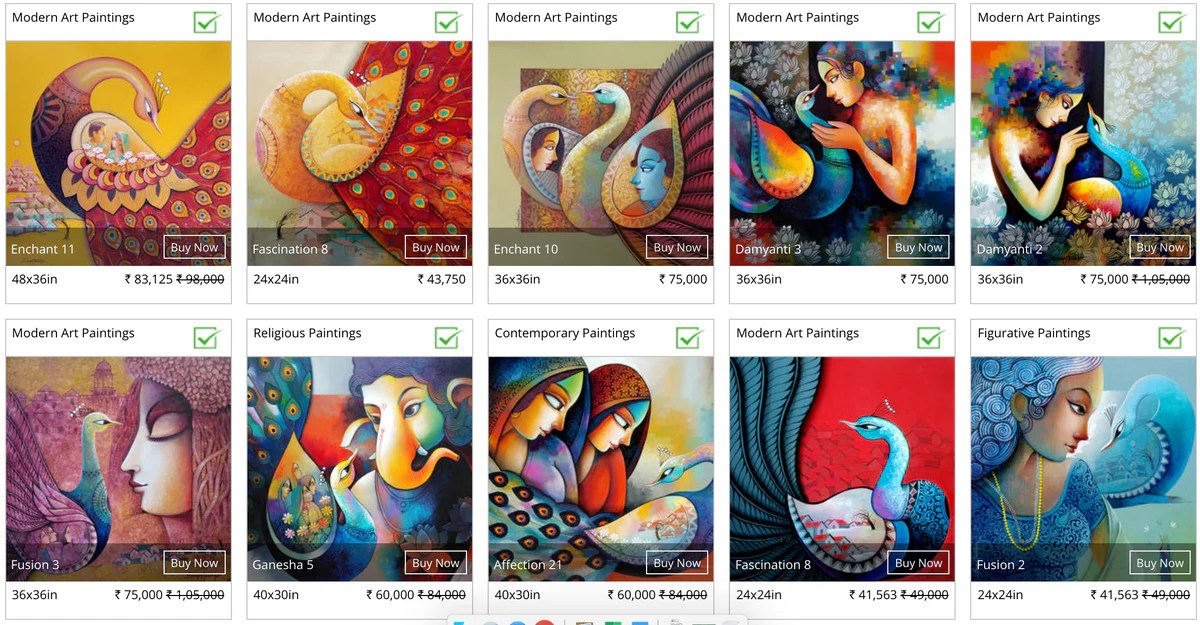
Art history provides a fascinating journey through the evolution of artistic expression, from traditional to modern periods. The development of modern art was heavily influenced by cultural, social, and political factors that shaped the artistic landscape.
Evolution of Art
Art has evolved significantly over the centuries, transitioning from realistic depictions in the traditional period to more abstract and experimental forms in the modern era. This shift was driven by changing societal values, technological advancements, and artistic movements that challenged traditional norms.
Cultural, Social, and Political Influences
The development of modern art was deeply intertwined with cultural, social, and political changes. Artists responded to the shifting landscapes of their time, addressing issues such as industrialization, urbanization, war, and globalization through their work. These influences pushed artists to explore new techniques, themes, and mediums, resulting in a diverse and dynamic art scene.
Key Movements and Artists
- The Impressionist movement, led by artists like Claude Monet and Edgar Degas, challenged traditional notions of representation and paved the way for modern art.
- The Cubist movement, spearheaded by Pablo Picasso and Georges Braque, revolutionized artistic perspectives by breaking down forms into geometric shapes and reimagining spatial relationships.
- The Surrealist movement, with artists such as Salvador Dali and Rene Magritte, delved into the subconscious and dream worlds, pushing the boundaries of reality and imagination.
- Abstract Expressionism, embodied by artists like Jackson Pollock and Willem de Kooning, focused on emotional expression and gestural abstraction, emphasizing the process of creation over the final product.
Arts Education
Art education plays a crucial role in helping individuals understand and appreciate modern art. By providing a foundation in art history, theory, and techniques, arts education programs enable students to develop a deeper connection with contemporary artistic expressions.
Promoting Creativity and Innovation
- Arts education programs encourage students to think outside the box and explore unconventional ideas.
- Through hands-on experiences and creative projects, students learn to experiment with different mediums and techniques, fostering innovation in their artistic endeavors.
- By exposing students to a wide range of artistic styles and movements, arts education programs inspire them to push boundaries and challenge traditional norms in the context of modern art.
Integrating Modern Art into School Curricula
- Integrating modern art into school curricula is essential for fostering artistic expression and creativity among students.
- By studying modern art, students gain a deeper understanding of contemporary issues, cultural diversity, and global perspectives.
- Including modern art in school curricula helps students develop critical thinking skills and encourages them to explore their own unique artistic voices.
Modern Art
Modern art encompasses a wide range of styles and techniques that emerged in the late 19th and early 20th centuries. Artists began to challenge traditional artistic norms and conventions, paving the way for innovative and groundbreaking approaches to art.
Different Styles and Techniques
Modern art is characterized by a diverse array of styles and techniques that reflect the changing times and attitudes of the artists. Some of the prominent styles include:
- Cubism: Developed by Pablo Picasso and Georges Braque, Cubism broke away from traditional representation of reality by depicting subjects from multiple viewpoints.
- Surrealism: Artists like Salvador Dali and Rene Magritte explored the realm of the subconscious through dream-like imagery and unconventional juxtapositions.
- Abstract Expressionism: Artists like Jackson Pollock and Willem de Kooning embraced spontaneity and gestural abstraction, challenging the notion of precision and control in art.
Challenging Traditional Artistic Norms
Modern art pushed the boundaries of what was considered acceptable in the art world, challenging traditional artistic norms and conventions. Artists rejected realistic depictions in favor of abstraction, experimented with new materials and techniques, and explored unconventional subject matter that reflected the tumultuous times they lived in.
Global Impact on Contemporary Art
The modern art movements of the 20th century had a profound impact on contemporary artistic practices worldwide. Artists continue to draw inspiration from the innovations of their predecessors, incorporating elements of modern art into their own work and pushing the boundaries of creativity and expression.
Final Review
As we conclude our exploration of Characteristics of modern art, it’s clear that the evolution of art has been a journey of boundless creativity and profound impact. From challenging norms to reshaping perspectives, modern art continues to inspire and provoke thought in the most extraordinary ways.
Key Questions Answered
What defines modern art?
Modern art is characterized by a departure from traditional styles and a focus on experimentation and innovation.
How does modern art impact contemporary artistic practices?
Modern art movements have influenced contemporary art by encouraging new ways of thinking and creating.
Why is integrating modern art into school curricula important?
Integrating modern art helps students develop a broader perspective and fosters creativity and critical thinking skills.


