
Embark on a fascinating exploration of Modern art movements and history, where creativity meets history in a delightful blend of styles and influences. Get ready to dive into a world of artistic evolution that challenges traditional norms and embraces innovation with open arms.
Let’s unravel the mysteries behind major art movements, understand the impact of societal changes on artistic evolution, and discover the role of arts education in shaping the contemporary art landscape.
Modern Art Movements
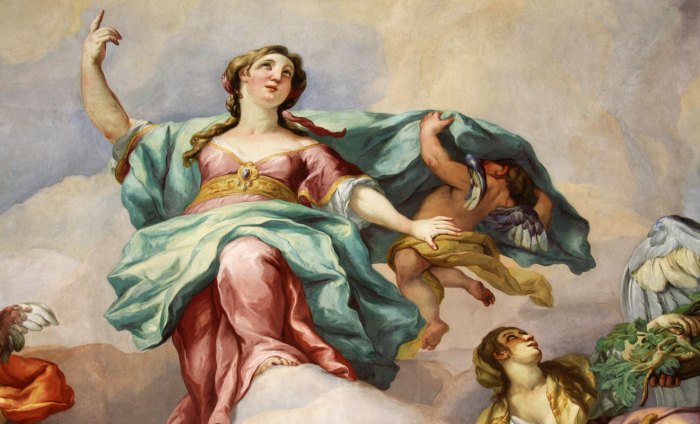
Modern art movements have played a significant role in shaping the artistic landscape of the 19th and 20th centuries. Each movement brought its own unique style and perspective, influencing artists and art enthusiasts worldwide.
Impressionism
- Key Characteristics: Emphasis on capturing the fleeting effects of light, use of visible brush strokes, and focus on everyday subjects.
- Comparison: Contrasted with the traditional realistic style, impressionism aimed to capture the essence of a scene rather than its details.
- Famous Artists: Claude Monet, Edgar Degas, Pierre-Auguste Renoir.
Cubism
- Key Characteristics: Geometric shapes, multiple viewpoints, and fragmentation of forms.
- Comparison: Cubism challenged traditional perspectives and presented objects in a new way, breaking them down into basic geometric forms.
- Famous Artists: Pablo Picasso, Georges Braque, Juan Gris.
Surrealism
- Key Characteristics: Exploration of the unconscious mind, dream-like imagery, and juxtaposition of elements.
- Comparison: Surrealism sought to challenge the conventional notions of reality and create artworks that tapped into the subconscious.
- Famous Artists: Salvador Dali, Max Ernst, Joan Miro.
Abstract Expressionism
- Key Characteristics: Emphasis on spontaneous, gestural painting, large-scale works, and emotional expression.
- Comparison: Abstract expressionism focused on the act of painting itself, with artists using bold brushstrokes and vibrant colors to convey their emotions.
- Famous Artists: Jackson Pollock, Willem de Kooning, Mark Rothko.
Evolution of Modern Art
The evolution of modern art was deeply influenced by the historical context of the time, societal changes, and technological advancements. These factors played a crucial role in shaping the various modern art movements that emerged.The historical context that led to the emergence of modern art can be traced back to the late 19th and early 20th centuries. This period was characterized by significant social, political, and economic upheavals, including industrialization, urbanization, and the aftermath of World War I.
Artists began to break away from traditional artistic conventions and explore new forms of expression.Societal changes, such as the rise of urban centers, the spread of mass media, and the questioning of established norms, also played a key role in the evolution of modern art movements. Artists sought to reflect the rapidly changing world around them, resulting in the development of diverse styles and approaches.Technological advancements, particularly in the fields of photography, film, and communication, had a profound impact on modern art practices.
Artists were inspired by the possibilities offered by these new technologies and incorporated them into their work. This led to the blurring of boundaries between different art forms and the exploration of innovative techniques.Overall, the evolution of modern art was a complex and multifaceted process driven by a combination of historical, societal, and technological factors. This dynamic interaction continues to shape the art world today, influencing the way artists create and audiences perceive art.
Art History Overview
Art history is a vast and rich field that encompasses various periods, styles, and movements that have shaped the way we perceive and create art. Understanding the major periods leading up to modern art movements is essential to grasp the evolution of artistic expression over time.Art history is often divided into different periods, each characterized by distinct styles, techniques, and themes.
Some of the major periods that paved the way for modern art include the following:
Renaissance
The Renaissance period, which spanned from the 14th to the 17th century, marked a significant shift in art and culture. Artists like Leonardo da Vinci, Michelangelo, and Raphael created masterpieces that celebrated humanism, realism, and perspective in art.
Baroque
The Baroque period followed the Renaissance and was known for its dramatic use of light, color, and emotion. Artists like Caravaggio and Peter Paul Rubens created dynamic and powerful artworks that reflected the religious and political turmoil of the time.
Impressionism
Impressionism emerged in the 19th century as a response to the rigidity of academic art. Artists like Claude Monet, Edgar Degas, and Pierre-Auguste Renoir broke away from traditional techniques and focused on capturing the fleeting effects of light and color in their works.
Post-Impressionism
Post-Impressionism built upon the innovations of Impressionism and emphasized personal expression and symbolic meaning in art. Artists like Vincent van Gogh, Paul Cézanne, and Georges Seurat experimented with new styles and techniques, paving the way for modern art movements.
Modern Art Challenges Tradition
Modern art challenged traditional artistic norms and conventions by breaking away from realistic depictions and exploring new forms of expression. Artists like Pablo Picasso, Wassily Kandinsky, and Salvador Dalí pushed boundaries, experimented with abstraction, and questioned the very definition of art itself.By exploring the major periods in art history and understanding the key artists, artworks, and movements that influenced modern art, we can appreciate the rich tapestry of artistic evolution and innovation that continues to inspire and provoke us today.
Arts Education and Modern Art
Art education plays a crucial role in shaping modern art movements by providing artists with the necessary skills, knowledge, and inspiration to push boundaries and innovate within the art world. Institutions such as art schools and museums have been instrumental in nurturing modern artists and fostering creativity through various educational programs and resources.
Importance of Art Schools and Institutions
Art schools and institutions serve as breeding grounds for aspiring artists, providing them with a platform to experiment, learn from experienced mentors, and collaborate with peers. These institutions offer a structured curriculum that covers a wide range of artistic techniques, theories, and concepts, helping artists develop their unique style and voice. Moreover, art schools often expose students to diverse perspectives and art movements, encouraging them to think critically and explore new artistic possibilities.
- Art schools provide access to specialized resources and facilities, such as studios, galleries, and libraries, that enable artists to hone their craft and engage with the broader artistic community.
- Through workshops, critiques, and exhibitions, art schools create a supportive environment where artists can receive feedback, guidance, and encouragement to push their creative boundaries.
- Art institutions play a crucial role in preserving and promoting art history, ensuring that modern artists are aware of past movements and can build upon existing traditions while forging new artistic frontiers.
Impact of Arts Education on Contemporary Art Practices
Arts education has a profound impact on the evolution of contemporary art practices by fostering experimentation, innovation, and critical thinking among artists. By equipping artists with technical skills, theoretical knowledge, and historical awareness, arts education empowers them to challenge conventions, break boundaries, and redefine the very essence of art in the modern age.
- Arts education encourages interdisciplinary collaboration and exploration, enabling artists to draw inspiration from diverse sources, such as technology, science, politics, and culture, to create art that reflects contemporary society and addresses pressing issues.
- By instilling a sense of curiosity, open-mindedness, and continuous learning, arts education cultivates a lifelong passion for creativity and self-expression, motivating artists to constantly evolve, adapt, and innovate in response to changing times and contexts.
- Arts education fosters a sense of community, solidarity, and dialogue among artists, critics, scholars, and audiences, creating a dynamic ecosystem where ideas can be exchanged, debated, and refined to shape the future of art and culture.
Ending Remarks
As we conclude our journey through Modern art movements and history, we are left with a profound appreciation for the diverse range of styles, influences, and artists that have shaped the artistic landscape. From the early beginnings to the present day, the evolution of art continues to captivate and inspire us in ways we never imagined.
FAQs
What are some key characteristics of major modern art movements?
Major modern art movements exhibit a range of styles, from cubism and surrealism to abstract expressionism and pop art, each with unique characteristics that define their aesthetic.
How did societal changes influence the evolution of modern art movements?
Societal changes, such as industrialization and urbanization, played a significant role in shaping modern art movements by influencing artists to reflect the changing world around them in their work.
Why is arts education important in nurturing modern artists?
Arts education provides aspiring artists with the tools, knowledge, and inspiration needed to hone their craft and develop their unique artistic voice within the context of modern art movements.


