
Dive into the world of arts education in schools, where creativity meets critical thinking, and academic performance gets a boost! Get ready to explore the impact of arts education on students and how it fosters cultural understanding.
Importance of Arts Education in Schools
Arts education plays a crucial role in the overall development of students, offering a wide range of benefits that extend beyond the classroom. By incorporating arts education into school curriculum, students can enhance their creativity, critical thinking skills, and cultural understanding, leading to improved academic performance and increased student engagement.
Enhancing Creativity and Critical Thinking
- Arts education encourages students to think outside the box and explore new possibilities, fostering creativity in various forms of expression.
- Through activities like drawing, painting, music, and drama, students learn to problem-solve and think critically, honing essential skills for future success.
- Engaging in arts education allows students to develop a unique perspective, enabling them to approach challenges with innovative solutions.
Impact on Academic Performance and Student Engagement
- Studies have shown that students involved in arts education tend to perform better academically in other subjects, such as math and science.
- Arts education promotes a holistic approach to learning, stimulating students’ interest and motivation to actively participate in their education.
- By incorporating arts into the curriculum, schools can create a more inclusive and engaging environment, fostering a sense of belonging and community among students.
Promoting Cultural Understanding and Empathy
- Arts education exposes students to diverse cultural perspectives, helping them develop empathy and appreciation for different traditions and beliefs.
- Through artistic expression, students can communicate their emotions and experiences, fostering a sense of empathy and understanding towards others.
- By exploring various art forms from different cultures, students can broaden their worldview and cultivate a sense of global citizenship.
Art History
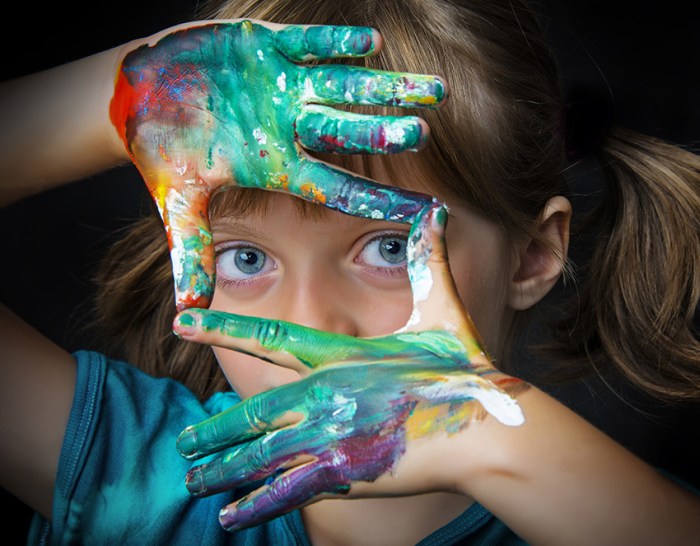
Art history plays a crucial role in understanding different cultures and societies, providing insights into the evolution of human creativity and expression.
Significance of Studying Art History
- Studying art history helps us appreciate the diverse artistic traditions of various cultures and societies.
- It enables us to understand the social, political, and religious influences on artistic movements throughout history.
- Art history allows us to recognize the continuity and innovation in human creativity over time.
Evolution of Human Creativity and Expression
- Art history tracks the development of artistic techniques and styles, reflecting changing beliefs and values.
- It showcases how artists have pushed boundaries and experimented with new forms of expression throughout history.
- Studying art history helps us appreciate the universal themes and emotions that connect all human societies.
Comparison of Art Movements
- Different art movements such as Renaissance, Baroque, Impressionism, and Cubism have each left a lasting impact on contemporary art.
- Each movement introduced unique aesthetic principles and challenged traditional artistic norms.
- Comparing and contrasting art movements provides valuable insights into the diversity and richness of artistic expression.
Famous Artists and Artworks
- Leonardo da Vinci’s “Mona Lisa” and Michelangelo’s “David” are iconic examples of the Renaissance period.
- Vincent van Gogh’s “Starry Night” and Claude Monet’s “Water Lilies” are celebrated works of Impressionism.
- Pablo Picasso’s “Les Demoiselles d’Avignon” and Salvador Dali’s “The Persistence of Memory” are renowned pieces of Cubism and Surrealism, respectively.
Arts Education
Arts education plays a crucial role in shaping a well-rounded educational experience for students. It encompasses a variety of programs and initiatives that foster creativity, critical thinking, and cultural appreciation.
Forms of Arts Education Programs
Arts education programs in schools can take various forms, including:
- Visual Arts: This includes drawing, painting, sculpture, and other forms of visual expression.
- Performing Arts: Students can participate in music, dance, theater, and other performing arts activities.
- Media Arts: This involves digital media, photography, film, and other multimedia forms of artistic expression.
- Art History: Learning about the history of art and different artistic movements provides students with a deeper understanding of cultural heritage.
Importance of Arts Integration
Integrating arts across different subjects can enhance learning outcomes and promote creativity. For example:
- Math: Using visual arts to teach geometry or patterns can help students grasp abstract concepts more effectively.
- Science: Incorporating art projects into science lessons can encourage experimentation and critical thinking.
- Language Arts: Analyzing literature through a creative lens can deepen students’ understanding of storytelling and symbolism.
Fostering Inclusivity and Diversity
Arts education can create a more inclusive and diverse learning environment by:
- Providing a platform for students from diverse backgrounds to share their unique perspectives through art.
- Celebrating cultural diversity through artistic expressions from different traditions and communities.
- Promoting empathy and understanding by exploring social issues and themes through artistic mediums.
Promoting Social and Emotional Development
Arts education plays a crucial role in promoting students’ social and emotional development by:
- Enhancing self-expression and communication skills through artistic creativity.
- Fostering collaboration and teamwork in group art projects and performances.
- Building confidence and resilience by encouraging students to take creative risks and embrace challenges.
Modern Art
Modern art is a diverse and innovative form of artistic expression that emerged in the late 19th and early 20th centuries. It encompasses a wide range of styles and techniques that break away from the traditions of the past and challenge conventional artistic norms.
Characteristics of Modern Art
- Modern art emphasizes experimentation, innovation, and freedom of expression.
- Artists often explore new materials, techniques, and subject matters that were previously considered unconventional.
- Modern art is characterized by abstraction, non-representational forms, and a departure from realistic depictions.
Impact of Modern Art Movements
- Cubism, pioneered by artists like Pablo Picasso and Georges Braque, revolutionized the way artists depict space and form.
- Surrealism, led by artists such as Salvador Dali and René Magritte, explores the realm of dreams, the subconscious, and irrationality.
- Abstract Expressionism, with artists like Jackson Pollock and Mark Rothko, focuses on conveying emotions and inner experiences through spontaneous and gestural forms.
Role of Modern Art in Society
- Modern art serves as a reflection of societal values, beliefs, and ideologies, challenging viewers to think critically about the world around them.
- Artists use their work to address contemporary issues, provoke thought, and push boundaries, sparking dialogue and debate.
- Modern art has the power to inspire social change, promote diversity, and foster cultural understanding.
Contemporary Artists Pushing Boundaries
- Yayoi Kusama, known for her immersive installations and polka dot motifs, challenges perceptions of identity, infinity, and the cosmos.
- Banksy, a mysterious street artist, uses satire and subversion to critique politics, consumerism, and social injustices.
Conclusive Thoughts
As we wrap up our discussion on the importance of arts education in schools, remember that it’s not just about painting or music—it’s about shaping well-rounded individuals who can think outside the box and appreciate diversity. Embrace the arts for a brighter future!
FAQ Guide
How does arts education benefit students?
Arts education enhances creativity, critical thinking, academic performance, and promotes cultural understanding.
What forms of arts education programs are available in schools?
Schools offer various programs like music, visual arts, theater, and dance to provide a well-rounded education.
Why is arts integration important in education?
Arts integration helps students make connections across different subjects, fostering inclusivity and diversity.


