
Dive into the fascinating world of abstract art where creativity knows no bounds and imagination runs wild. From its humble origins to its profound impact on society, this journey through the history of abstract art promises to be a colorful and enlightening one.
Discover the pioneers, the movements, and the defining characteristics that have shaped this unique form of artistic expression.
The history of abstract art
Abstract art emerged in the late 19th century as artists began to move away from traditional representational art. Instead of depicting reality, abstract artists focused on expressing emotions, ideas, and concepts through non-representational forms. This marked a significant shift in the art world, challenging viewers to interpret artwork in new ways.
Origins of abstract art
- Abstract art first gained traction with movements like Impressionism and Post-Impressionism in the late 19th century.
- Artists like Wassily Kandinsky and Kazimir Malevich were among the pioneers of abstract art, experimenting with shapes, colors, and forms to convey deeper meanings.
- By the early 20th century, abstract art had fully emerged as a distinct movement, with artists embracing the freedom to explore pure abstraction and non-representational forms.
Key artists in abstract art
- Wassily Kandinsky: Known as the father of abstract art, Kandinsky’s work focused on the spiritual and emotional power of color and form.
- Kazimir Malevich: Malevich’s Suprematist movement emphasized geometric shapes and a limited color palette to convey pure artistic expression.
- Piet Mondrian: Mondrian’s Neo-Plasticism sought to reduce art to its essential elements of straight lines and primary colors, creating a sense of harmony and balance.
Impact of abstract art
- Abstract art challenged traditional notions of art and beauty, paving the way for new forms of artistic expression and experimentation.
- It influenced a wide range of artistic movements, from Cubism to Surrealism, and continues to inspire artists across various disciplines today.
- Abstract art also had a profound impact on society, encouraging viewers to engage with art on a more personal and emotional level, sparking dialogue and reflection.
Characteristics of abstract art
- Non-representational: Abstract art does not directly depict reality but instead conveys emotions, ideas, or concepts through shapes, colors, and forms.
- Freedom of interpretation: Viewers are encouraged to interpret abstract art in their own unique way, allowing for a more personal and subjective experience.
- Emphasis on composition: Abstract artists pay close attention to the arrangement of elements within the artwork, focusing on balance, rhythm, and harmony.
ART HISTORY
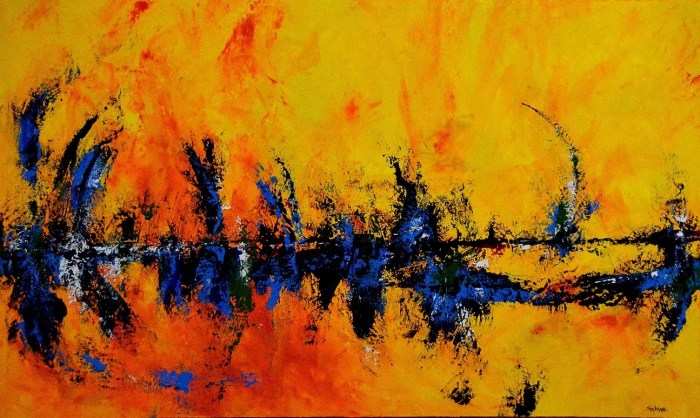
Abstract art has played a significant role in the history of art, challenging traditional forms and paving the way for new artistic expressions. Let’s delve into how abstract art compares and contrasts with other art movements, its influence on traditional art forms, its role in shaping art history narratives, and key milestones in its development within the broader context of art history.
Comparison with Other Art Movements
Abstract art stands out from other art movements such as Realism, Impressionism, and Cubism by focusing on form, color, and line without representing recognizable objects or scenes. While Realism aimed for accurate depictions, Impressionism captured fleeting moments, and Cubism deconstructed objects, abstract art pushed boundaries by emphasizing the artist’s emotions and ideas over visual representation.
Influence on Traditional Art Forms
Abstract art has influenced traditional art forms by encouraging artists to experiment with new techniques, materials, and ways of expression. Artists inspired by abstraction have incorporated elements of it into their work, blending traditional and contemporary styles to create unique pieces that resonate with audiences.
Role in Shaping Art History Narratives
Abstract art has played a pivotal role in shaping art history narratives by challenging established norms and pushing the boundaries of artistic expression. It has opened up new possibilities for artists to explore themes of emotion, spirituality, and the subconscious, leading to a more diverse and inclusive art world that values individual creativity and innovation.
Key Milestones in Development
Key milestones in the development of abstract art include the pioneering works of Wassily Kandinsky, known as the father of abstract art, who explored the use of color and form to convey emotions and spiritual themes. The emergence of Abstract Expressionism in the mid-20th century, with artists like Jackson Pollock and Mark Rothko, further solidified abstract art as a powerful and influential movement in the art world.
ARTS EDUCATION
Abstract art plays a crucial role in arts education programs by encouraging creativity, critical thinking, and self-expression in students. Studying abstract art not only exposes aspiring artists and art enthusiasts to a diverse range of artistic styles and techniques but also challenges them to think beyond traditional boundaries.
Significance of Teaching Abstract Art
- Introducing abstract art in arts education programs allows students to explore the power of non-representational forms and colors in conveying emotions and ideas.
- Studying abstract art helps students break free from the constraints of realism and encourages them to experiment with different artistic approaches.
- Teaching abstract art fosters an appreciation for artistic innovation and encourages students to think outside the box when creating their own artwork.
Benefits of Studying Abstract Art
- Enhances creativity and imagination by challenging students to interpret and create art without relying on strict representational forms.
- Helps develop critical thinking skills by analyzing and discussing the meanings and techniques behind abstract artworks.
- Encourages self-expression and individuality by allowing students to explore their unique artistic voice through abstract forms and colors.
Incorporating Abstract Art into Curriculum
- Integrating abstract art into various art projects and assignments can provide students with opportunities to experiment with different techniques and mediums.
- Organizing visits to galleries or museums featuring abstract art exhibitions can expose students to a wide range of artistic styles and inspire their own creative endeavors.
- Incorporating discussions and critiques of abstract artworks in the classroom can help students deepen their understanding of artistic concepts and techniques.
Successful Arts Education Initiatives
- The Guggenheim Museum’s Learning Through Art program engages students in exploring abstract art through hands-on art-making activities and discussions with professional artists.
- The Museum of Modern Art’s MoMA Teens program provides young artists with opportunities to create and exhibit their own abstract artworks while learning about the history and significance of abstract art movements.
- The National Art Education Association’s annual conference features workshops and sessions focused on incorporating abstract art into arts education curriculum to enhance students’ artistic skills and knowledge.
MODERN ART
Modern art encompasses a wide range of artistic movements that emerged in the late 19th and early 20th centuries, including abstract art. This period was marked by significant social, political, and technological changes that influenced artistic expression. Abstract art, in particular, played a crucial role in shaping modern art and continues to be relevant in contemporary art practices.
Connections between Abstract Art and Modern Art
- Abstract art emerged as a response to the changing worldviews and societal norms of the modern era, breaking away from traditional representational art forms.
- Artists like Wassily Kandinsky and Piet Mondrian were pioneers of abstract art, exploring new ways of expressing emotions and ideas through non-representational forms and colors.
- The modern art movement, characterized by experimentation and innovation, provided a fertile ground for the development of abstract art and other avant-garde styles.
Abstract Art and Changing Societal Norms
- Abstract art reflects the shifting values and beliefs of the modern era, challenging established conventions and inviting viewers to engage with art in new ways.
- By embracing abstraction, artists were able to convey complex emotions, concepts, and experiences that resonated with the tumultuous social and political climate of the time.
- The emphasis on individuality and subjective interpretation in abstract art mirrored the growing emphasis on personal freedom and autonomy in modern society.
Abstract Art and Technological Advancements
- Technological advancements, such as photography, cinema, and industrialization, influenced the development of abstract art by expanding artists’ visual vocabulary and challenging traditional artistic techniques.
- Abstract art embraced the principles of abstraction, simplification, and fragmentation, reflecting the fragmentation and acceleration of modern life brought about by technological progress.
- New materials and tools made possible by technological innovations allowed artists to experiment with form, color, and composition in ways that were previously unimaginable.
Ongoing Relevance of Abstract Art
- Abstract art continues to be relevant in contemporary art practices, serving as a source of inspiration for artists working in various mediums and styles.
- The focus on individual expression, experimentation, and innovation in abstract art resonates with the values of artistic freedom and creativity in today’s diverse art world.
- Abstract art challenges viewers to look beyond the surface and engage with art on a deeper, more introspective level, fostering a rich dialogue between artist, artwork, and audience.
Closing Summary
As we conclude our exploration of the history of abstract art, we are left with a profound appreciation for the innovation and creativity that have defined this captivating art form. From its roots to its contemporary relevance, abstract art continues to inspire and challenge the boundaries of artistic expression.
FAQs
What makes abstract art different from traditional art styles?
Abstract art focuses on shapes, colors, and forms rather than realistic representation, allowing for greater freedom of expression and interpretation.
Who are some key artists associated with abstract art?
Pioneers like Wassily Kandinsky, Piet Mondrian, and Jackson Pollock played significant roles in shaping abstract art movements.
How has abstract art influenced modern art practices?
Abstract art paved the way for experimentation and innovation in modern art, challenging traditional norms and pushing boundaries.


